
Passion for perfection
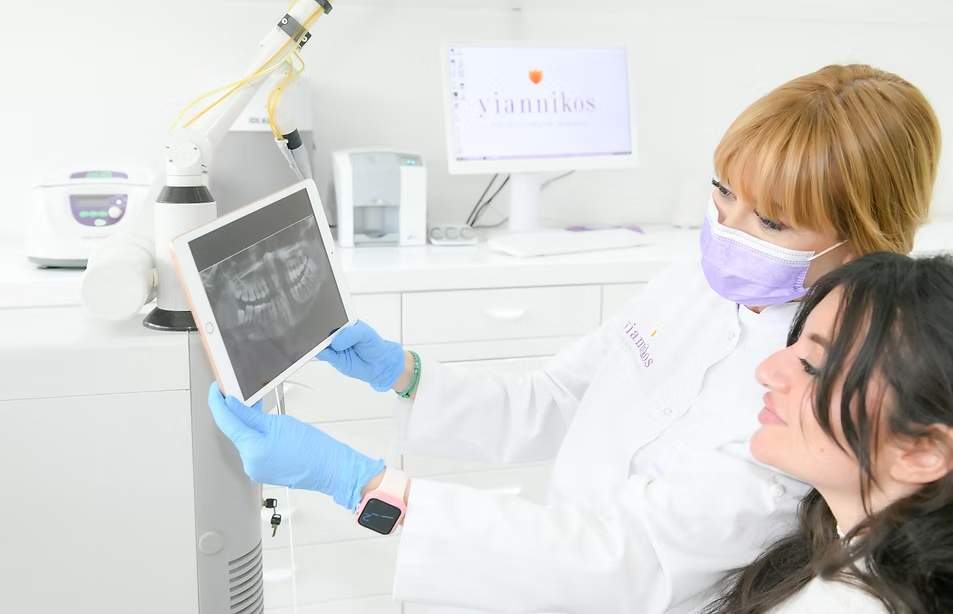
Tooth Extraction — What to Expect
Patients often ask whether tooth removal is painful. With modern techniques and controlled anaesthesia protocols, extractions are performed with a clear focus on minimising discomfort. Post-operative symptoms such as soreness or swelling are carefully managed — supporting a more predictable, well-controlled, and comfortable recovery.
The Extraction Protocol at Yiannikos Centre for Holistic Dentistry
Local anaesthesia is administered to ensure adequate comfort, followed by careful tooth removal using appropriate instruments and controlled technique.
Immediately following extraction, laser-assisted therapy is applied to the site — supporting decontamination, promoting tissue response, and controlling bleeding with precision.
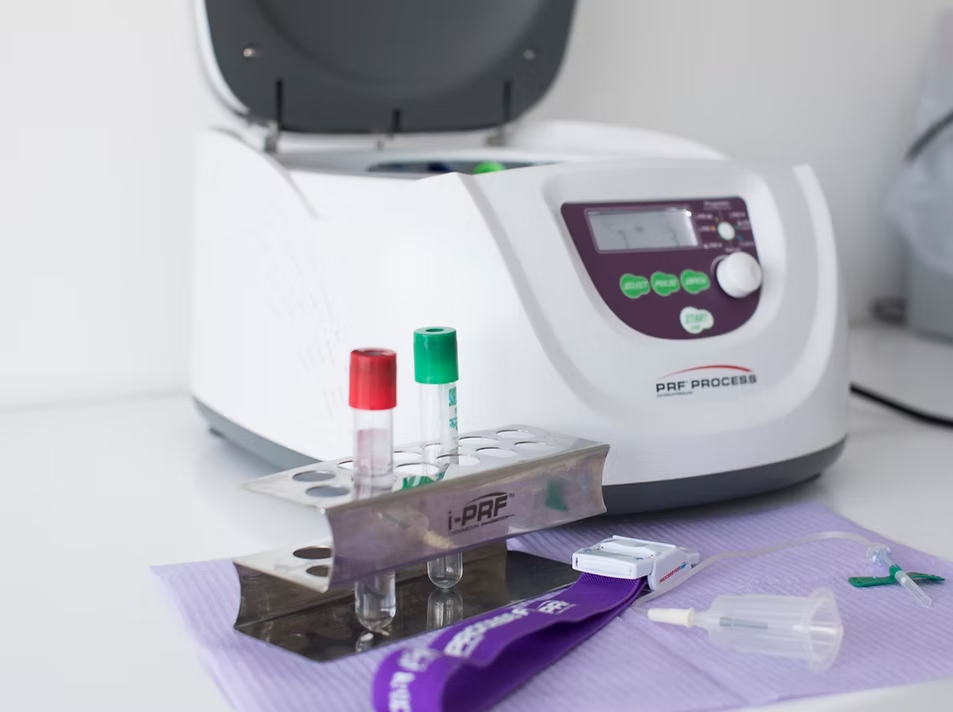
We also incorporate platelet-rich fibrin (PRF) — an autologous concentration of growth factors derived from your own blood — to support biological healing within the extraction site. The PRF is placed directly over the wound to protect the area and promote tissue regeneration during the healing phase.

Clinical Benefits of PRF
Supports improved control of bleeding at the extraction site
May reduce post-operative swelling
Contributes to reduced discomfort during the healing phase
May support optimal healing conditions — with reduced reliance on pharmacological intervention in selected cases
Post-Extraction Dietary Guidance
Following a tooth extraction, a soft diet is recommended to protect the extraction site and support uncomplicated healing. Suitable options include smoothies, yoghurt, soups, puréed foods, oatmeal, and soft-cooked eggs — foods that require minimal chewing and place no unnecessary pressure on the healing area.
Frequently asked questions
What is a tooth extraction?
Tooth extraction is a dental procedure where a tooth is completely removed from its socket in the jawbone. It is generally performed when a tooth is damaged beyond repair or impacting other teeth or oral health.
When is tooth extraction necessary?
Tooth extraction is typically necessary when a tooth is damaged beyond repair due to severe decay, gum disease, or trauma. It can also be required in cases of infection or when a wisdom tooth causes problems.
What is the process for biological tooth extraction?
First of all, we numb the area using a local anesthetic. Then the tooth is removed gently with the selection of suitable instruments. Immediately after the tooth removal, we treat the area with laser application, thus sterilizing the wound, boosting the healing process, and decreasing the bleeding enormously. Additionally, we use the innovative method of PRF, which implements stem cells and growth factors in the extraction area. We cover the wound with PRF gel, just like we put a pool cover to protect it.
Is tooth extraction painful?
No, the procedure is generally not painful due to local anesthesia.
Can I eat normally after a tooth extraction?
You should stick to soft foods and liquids for 24-48 hours after the procedure. Gradually reintroduce solid foods as your mouth heals, and you feel comfortable. Avoid hot and spicy foods.
Does insurance cover the treatment?
It's best to check with your insurance provider.
How can I prevent complications after tooth extraction?
Follow all post-procedure instructions given by your dentist. This typically includes taking prescribed medications, avoiding certain activities like smoking or using a straw, keeping the extraction site clean, and eating a diet of soft foods.
Will I need a replacement for the extracted tooth?
Depending on the location of the extracted tooth, consider a replacement to prevent the shifting of other teeth and maintain functionality and aesthetics. Standard replacement options include dental implants, bridges, or dentures. Your dentist can advise you on the best choice for your situation.