
Passion for perfection

Tooth Extraction — What to Expect
Patients often ask whether tooth removal is painful. With modern techniques and controlled anaesthesia protocols, extractions are performed with a clear focus on minimising discomfort. Post-operative symptoms such as soreness or swelling are carefully managed — supporting a more predictable, well-controlled, and comfortable recovery.
The Extraction Protocol at Yiannikos Centre for Holistic Dentistry
Local anaesthesia is administered to ensure adequate comfort, followed by careful tooth removal using appropriate instruments and controlled technique.
Immediately following extraction, laser-assisted therapy is applied to the site — supporting decontamination, promoting tissue response, and controlling bleeding with precision.
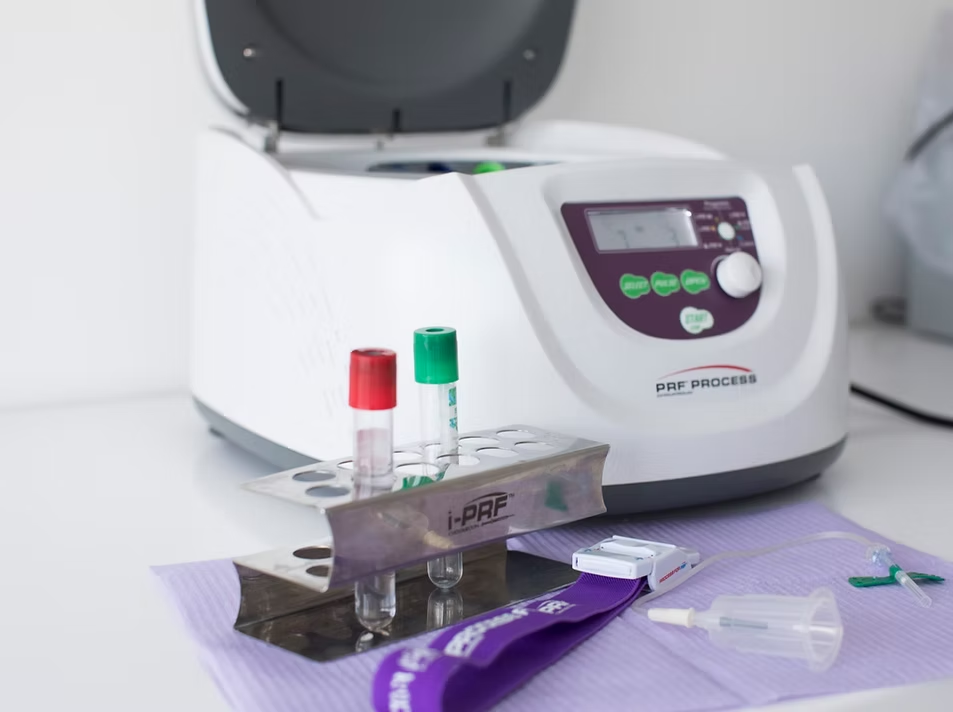
We also incorporate platelet-rich fibrin (PRF) — an autologous concentration of growth factors derived from your own blood — to support biological healing within the extraction site. The PRF is placed directly over the wound to protect the area and promote tissue regeneration during the healing phase.

Clinical Benefits of PRF
Supports improved control of bleeding at the extraction site
May reduce post-operative swelling
Contributes to reduced discomfort during the healing phase
May support optimal healing conditions — with reduced reliance on pharmacological intervention in selected cases
Post-Extraction Dietary Guidance
Following a tooth extraction, a soft diet is recommended to protect the extraction site and support uncomplicated healing. Suitable options include smoothies, yoghurt, soups, puréed foods, oatmeal, and soft-cooked eggs — foods that require minimal chewing and place no unnecessary pressure on the healing area.
Frequently asked questions
What is a tooth extraction?
Tooth extraction is a precise clinical procedure involving the complete removal of a tooth from its alveolar socket. It is indicated when a tooth is non-restorable or poses a risk to adjacent structures or overall oral health.
When is tooth extraction indicated?
Tooth extraction is indicated when a tooth is non-restorable due to advanced decay, periodontal disease, or structural damage. It is also considered in cases of infection or when impacted wisdom teeth pose a risk to adjacent structures.
What is the protocol for biological tooth extraction?
Local anesthesia is administered, followed by atraumatic tooth removal using precision instruments. The site undergoes laser application to decontaminate the area, support healing, and minimize bleeding. PRF is then applied to deliver growth factors, and the wound is carefully covered to protect and stabilize the site.
Is tooth extraction painful?
No. The procedure is performed under local anesthesia, ensuring it is controlled and free from pain.
Can I eat normally after a tooth extraction?
Soft foods and liquids are recommended for 24 to 48 hours following the procedure. Solid foods may be gradually reintroduced as healing progresses, avoiding hot and spicy intake.
Does insurance cover the treatment?
Coverage depends on your individual insurance provider and policy conditions.
How can complications after tooth extraction be prevented?
Strict adherence to post-operative instructions is essential, including prescribed medication and oral care protocols. Avoid smoking, suction, and mechanical disturbance of the site, while maintaining a soft diet throughout the initial healing period.
Will replacement of the extracted tooth be necessary?
Replacement is determined by the position of the missing tooth and its functional and structural impact. Options include dental implants, bridges, or dentures, each selected following a thorough and precise clinical assessment.